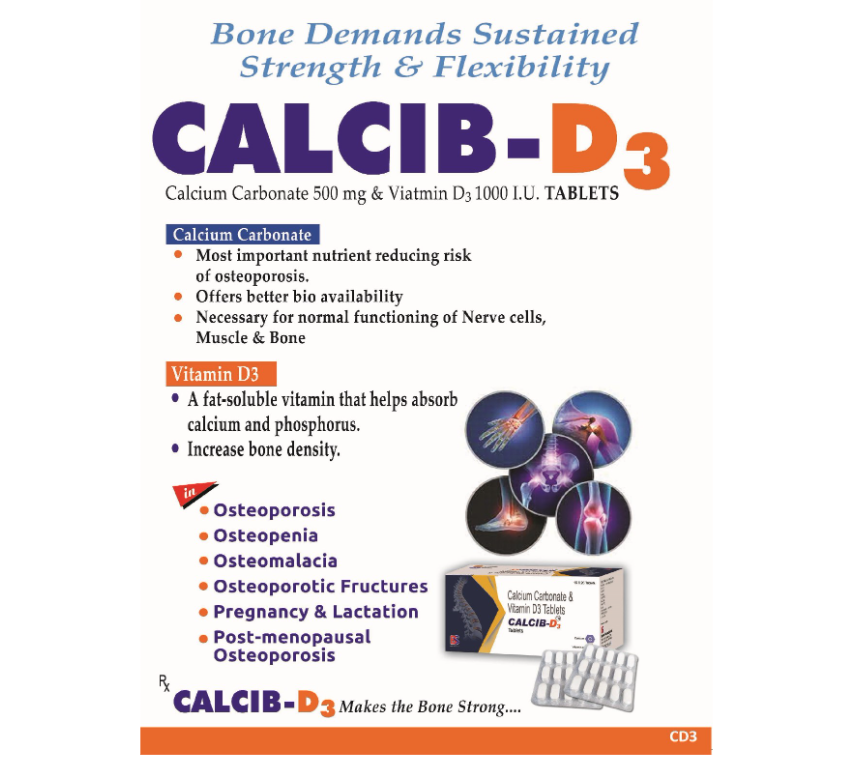
Calcium Carbonate:
* Calcium carbonate is one of the two main forms of calcium supplements
(the other being calcium citrate).It is inexpensive and convenient but
requires stomach acid for optimal absorption.
* Taking it with food improves absorption efficienc
Vitamin D (Cholecalciferol):
* Vitamin D is a fat-soluble prohormone that can be obtained through
sunlight exposure or ingested foods/supplements.
* It enhances the intestinal absorption of calcium, iron, magnesium,
phosphate, and zinc.
* Vitamin D deficiency can lead to bone health issues and other health
concerns
Let’s explore the benefits of Calcium and Vitamin D:
Calcium:
Strong Bones and Teeth: Calcium is essential for bone health. It helps
build and maintain strong bones and teeth.
Muscle Function: Calcium plays a role in muscle contraction and nerve
transmission.
Blood Clotting: Adequate calcium levels are necessary for proper blood
clotting.
Heart Health: Some studies suggest that calcium intake may support
heart health.
Vitamin D:
Bone Health: Vitamin D helps the body absorb calcium, promoting bone
strength and preventing osteoporosis.
Immune System Support: It may enhance immune function.
Mood Regulation: Vitamin D is linked to mood regulation and mental
well-being.
Reduced Risk of Chronic Diseases: Some research suggests it may
reduce the risk of certain diseases.
Remember, a balanced diet and sunlight exposure are natural ways to get
these nutrients. Consult a healthcare professional for personalized advice.
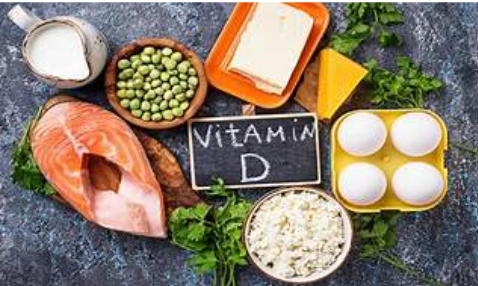
Here are some foods rich in calcium and vitamin D:
Vitamin D-Rich Foods:
Wild-caught salmon: Provides
600-1,000 IU of vitamin D per
3.5 ounces.
Farm-raised salmon: Contains
100-250 IU of vitamin D per
3.5 ounces.
Fortified cereals: Some cereals
are fortified with vitamin D.
Dairy products: Milk, yogurt, and cheese often have vitamin D added during
processing.
Spinach: A leafy green vegetable that naturally contains vitamin D.
High-Calcium Foods:
Cheese: A good source of calcium.
Kale: Another leafy green vegetable rich in calcium.
Orange juice: Some varieties are fortified with calcium.
Soybeans: Legumes that provide calcium.
Oatmeal: Fortified oatmeal contains calcium.
Salmon: Besides vitamin D, salmon also offers calcium.
Egg yolks: A small amount of calcium can be found in egg yolks.
Remember that while dietary sources contribute to your intake, sunlight
exposure is also essential for natural vitamin D synthesis.
Vitamin D deficiency is a condition where the body has low levels of vitamin
D, which is needed for normal bone and muscle function1234 .
It can be caused by inadequate exposure to sunlight with UVB rays, poor diet,
or some disorders that affect vitamin D absorption or metabolism134. Vitamin
D deficiency can lead to loss of bone density, osteoporosis, fractures.
Let’s explore the difference between osteopenia and osteoporosis:
Osteopenia:
Osteopenia refers to reduced bone density, which is a precursor to
osteoporosis.
Severity: It is less severe than osteoporosis.
Bone Mineral Density (BMD): BMD scores are used to diagnose osteopenia.
A T-score between -1 and -2.5 indicates osteopenia.
Risk: People with osteopenia have a higher risk of fractures but usually don’t
experience symptoms.
Progression: If untreated, osteopenia can progress to osteoporosis.
Osteoporosis:
Osteoporosis occurs when bone density decreases significantly, leading to
fragile, porous bones.
BMD: A T-score lower than -2.5 indicates osteoporosis.
Fracture Risk: Osteoporosis increases the risk of fractures, even during daily
activities.
Structural Changes:Bones become more porous and brittle.
Who’s at Risk? Certain factors accelerate bone loss:
- Women over 35
- Poor nutrition
- Sedentary lifestyle
- Smoking
- Alcohol consumption
- Menopause
- Hormonal changes
- Thyroid disease
- Certain medications (like steroids)
Diagnosis: BMD testing determines whether you have osteopenia or
osteoporosis. Protect your bone health with lifestyle changes and, if needed,
medical intervention.